
Call us anytime
+86 15667696697
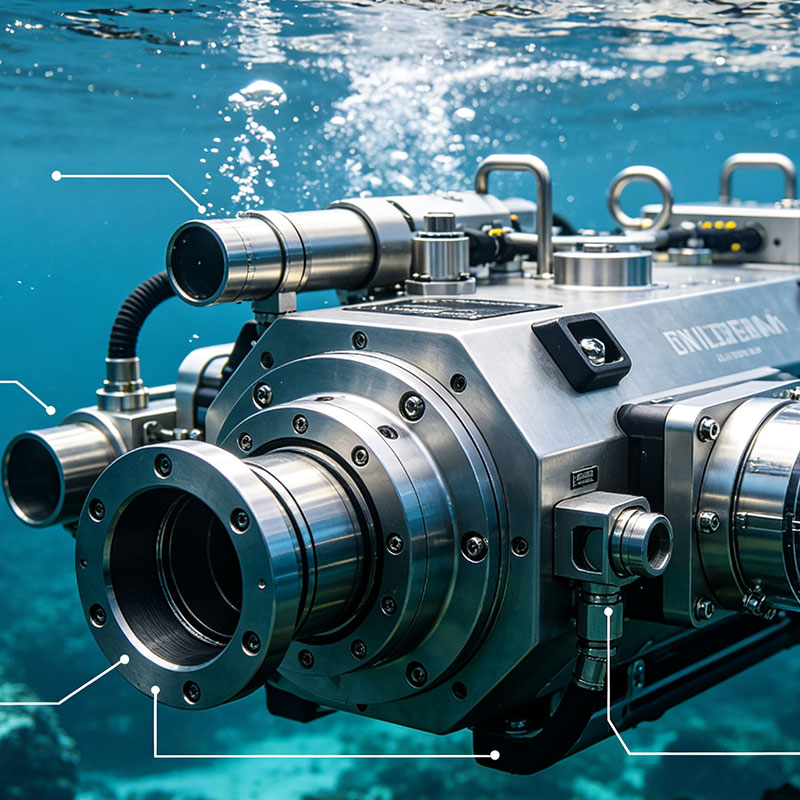
The marine environment presents multiple severe working conditions including high salt spray, high humidity, seawater immersion, biofouling, and alternating mechanical loads. Ordinary steel and stainless steel are prone to rust, perforation, fatigue cracking, resulting in high later maintenance costs and short service life. With ultimate seawater corrosion resistance, high specific strength, fatigue resistance, non-magnetism, and lightweight advantages, titanium and titanium alloys have become irreplaceable core structural materials for modern ships, ocean engineering, and marine equipment.
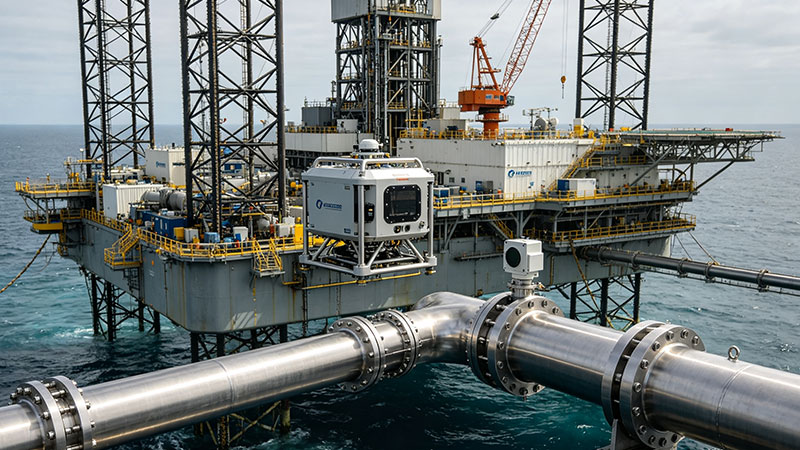
Titanium materials cover a wide range of applications across the shipbuilding industry chain. Core supporting categories include titanium plates, titanium tubes, titanium bars, titanium forgings, titanium standard parts, and titanium heat exchange components. Main application scenarios cover ship seawater cooling pipeline systems, cabin heat exchange equipment, deck platform structural parts, marine fasteners, submarine pipeline accessories, offshore wind power supporting marine components, and yacht structural and decorative parts.
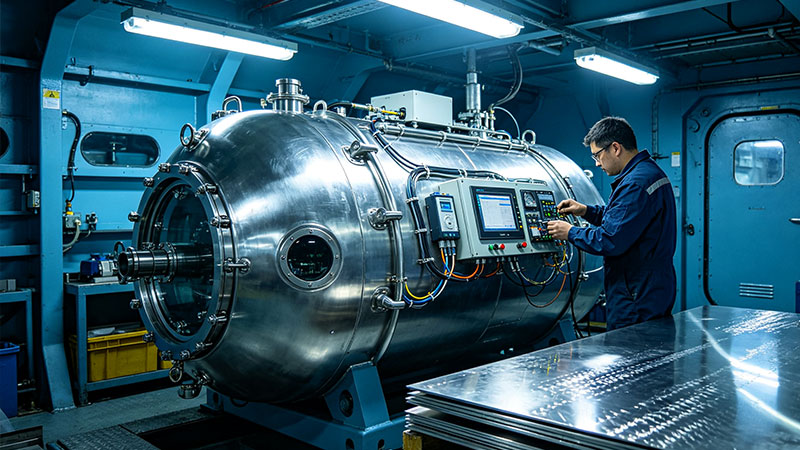
Using titanium materials for key ship components fundamentally eliminates aging and damage caused by seawater corrosion, greatly reducing later maintenance, replacement, and anti-corrosion costs. Meanwhile, the lightweight property effectively optimizes the ship’s load ratio, improving navigation efficiency and stability. In long-term ocean-going operations, deep-sea exploration, and coastal engineering scenarios, titanium materials lay a solid material foundation for the long-term safe operation of ship equipment with stable and reliable comprehensive performance.