
Call us anytime
+86 15667696697
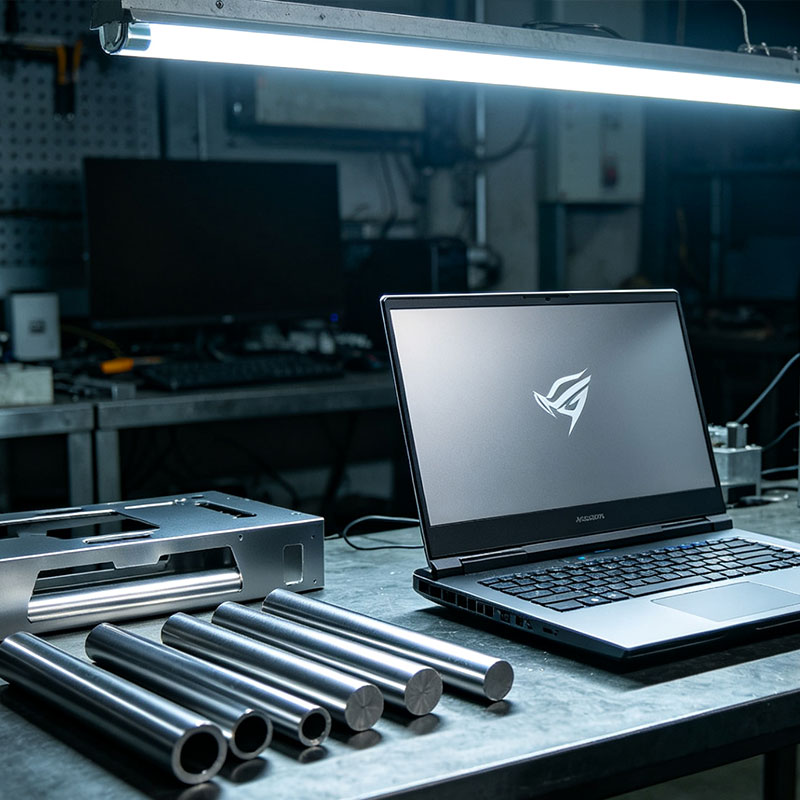
With the global consumer electronics and semiconductor industries evolving toward higher integration and stability, titanium has become a key material supporting performance upgrades of high-end electronic equipment. Its excellent non-magnetic properties, long-term dimensional stability, and compatibility with complex working conditions make it a reliable material for next-generation precision electronic manufacturing.
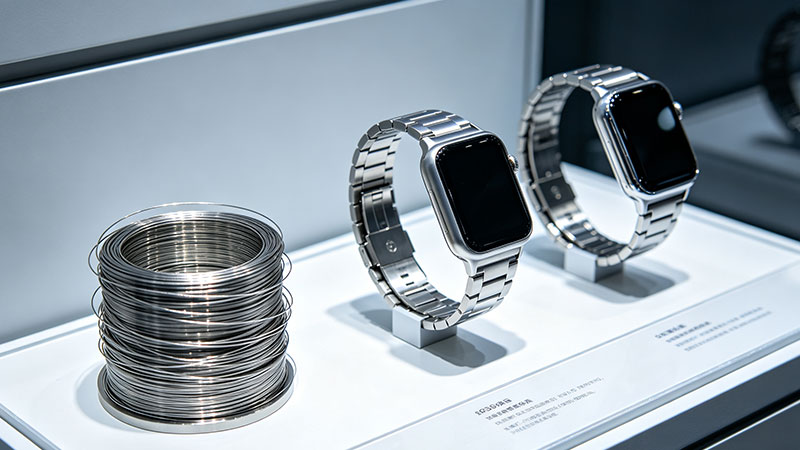
1. Titanium in Semiconductor Coating Processes
Semiconductor manufacturing – especially wafer coating – is the cornerstone of the high-end electronics industry. Titanium exhibits outstanding resistance to vacuum environments, chemical corrosion, and high-temperature processes, making it one of the few materials suitable for long-term stable production.
Key titanium components used include:
- High-purity titanium targets
- Titanium liners for coating chambers
- Corrosion-resistant titanium alloy pipelines
- Precision heat sink components
High-purity titanium targets significantly improve the yield and performance of semiconductor devices by enhancing coating uniformity and stability.
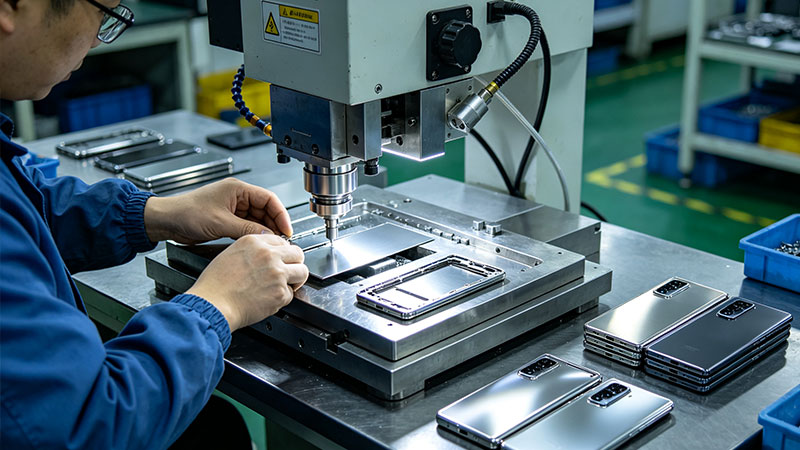
2. Titanium in Consumer Electronic Structural Parts & Heat Dissipation Systems
Smartphones and wearable devices rely on lightweight, high-strength structural materials. Titanium alloys excel in the following applications:
- Middle frames and housings
- Vapor chambers and heat pipes
- Precision fasteners
- Micro heat dissipation fins
The low density and high thermal conductivity of titanium effectively reduce equipment weight while improving heat dissipation efficiency and long-term service stability, which is critical for thin and light high-end consumer electronics.

3. Titanium in Communication Equipment & Sensors
5G base stations and industrial sensors face long-term challenges in complex environments, and titanium alloy components provide exceptional durability. The low expansion coefficient and anti-electromagnetic interference capability of titanium ensure stable equipment operation under temperature fluctuations and signal-dense environments.